
3D Ideas for Everyday Fixes and Small Upgrades
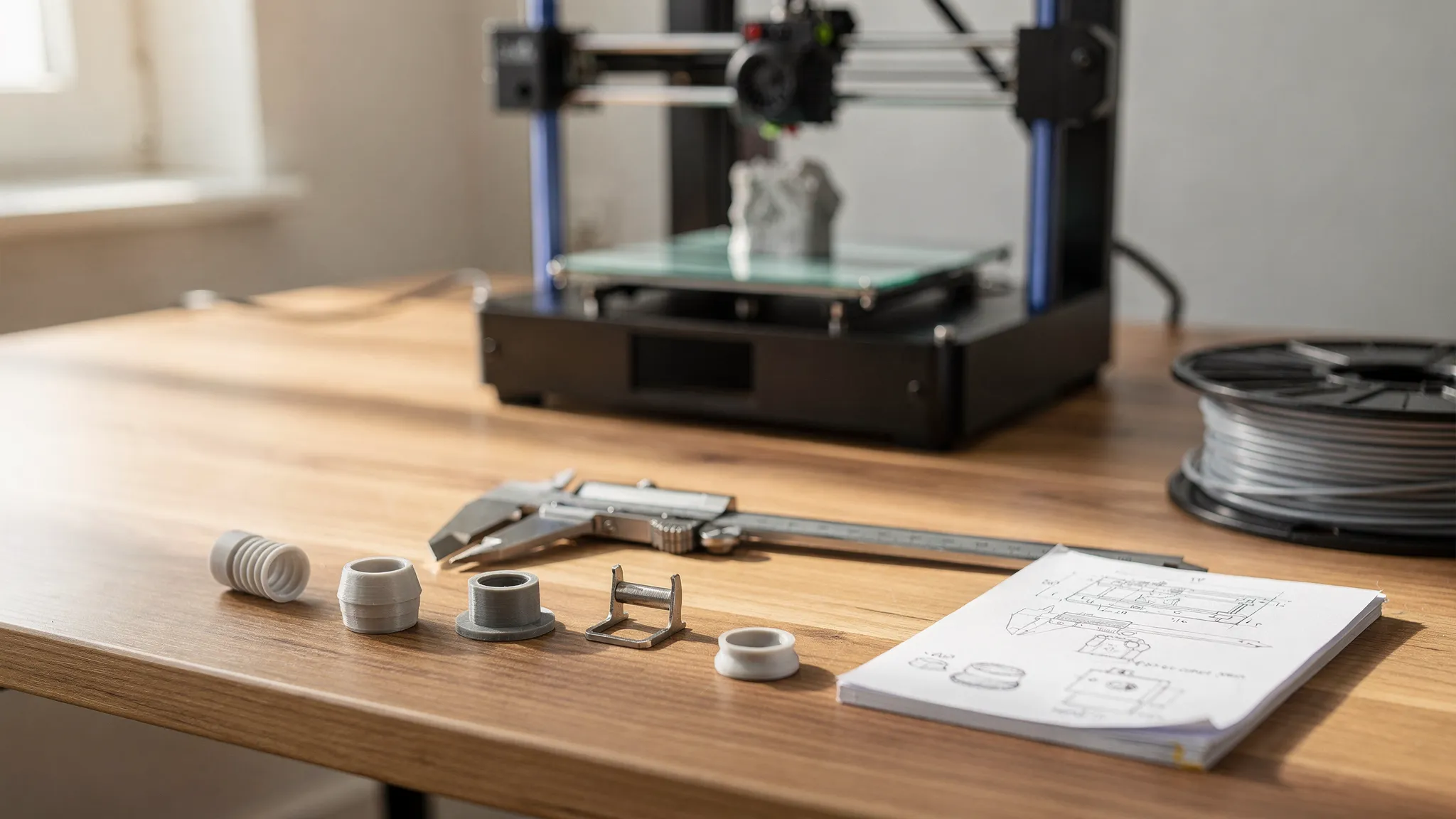
Small household problems have a way of stealing time, money, and patience: a cracked knob you can’t find anywhere, a wobbly appliance foot, a latch that “almost” closes, a drawer that won’t stay organized. The good news is that many of these annoyances are perfect candidates for 3D printing because they’re small, customizable, and don’t need a full replacement product.
This guide shares practical 3D ideas for everyday fixes and small upgrades, plus simple design checks (so your part works the first time), material suggestions, and safety callouts for the few scenarios where you should not DIY.
When 3D printing is a smart “fix” (and when it isn’t)
3D printing shines when a part is:
- Unavailable (discontinued, backordered, or only sold as a whole assembly)
- Simple but specific (a clip, cap, spacer, bushing, cover, or bracket with exact dimensions)
- Low-risk (not load-bearing in a safety-critical way, not exposed to high heat, and not part of an electrical or gas system)
It is usually not the right approach when the part failure could cause injury, flooding, fire, or electrical hazards. Examples include structural ladder parts, gas appliance components, internal high-heat oven parts, and anything that insulates live electrical connections.
If you’re troubleshooting a malfunctioning appliance and you’re not sure whether it’s a worn part or a deeper issue, it can help to read a few diagnostic guides first. The PHX Appliance Fix Blog is a useful starting point for common refrigerator, dishwasher, washer, and microwave symptoms before you decide what to repair or replace.
A quick “before you print” checklist (saves reprints)
Most failed fix-parts fail for predictable reasons: wrong size, wrong material, or not accounting for stress and movement. Before you order or print anything, run through these checks.
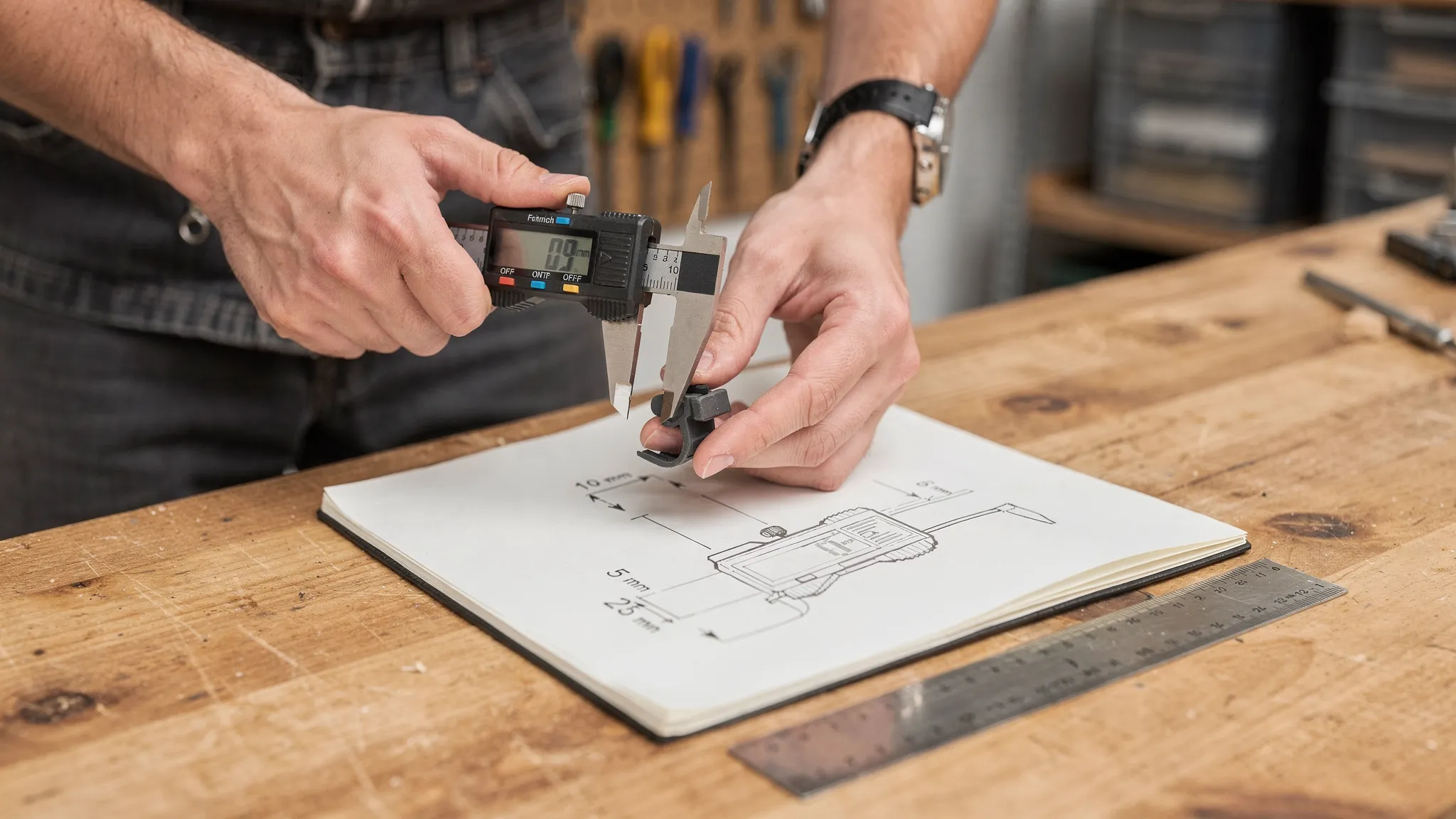
1) Measure the real world, not the guess
Use calipers if possible (even an inexpensive pair) and capture:
- Outside and inside diameters
- Thicknesses and wall thickness
- Hole spacing (center-to-center)
- The “stack” height (how tall the part must be to sit flush)
If the original part is broken, measure both sides and reconstruct the intended dimension by matching features.
2) Know the environment (heat, sun, chemicals, water)
Where the part lives determines the material.
- Indoor, low stress: PLA can be fine for organizers, covers, and light-duty clips.
- Warm areas, bathrooms, kitchens, garages: PETG is often a safer default due to better heat and moisture resistance.
- Outdoor sun exposure: consider ASA for UV resistance.
- Flexible or grippy needs: TPU is great for feet, bumpers, and protective sleeves.
If you want a deeper overview of processes and material families, Firecloud Printz’s guide to additive printing materials, uses, and benefits is a helpful reference.
3) Design for strength, not just shape
For functional parts, print orientation and geometry matter as much as the material.
- Add fillets (rounded corners) where stress concentrates.
- Use ribs (thin reinforcing walls) instead of making everything thick.
- Avoid long, thin cantilevers. If you need them, add a gusset.
- For parts that snap, plan a gentle flex zone, not a sharp bend.
If you’re building something with mating features (tabs, slots, twist-locks), tolerances are key. Firecloud Printz also has a practical reference on supports, overhangs, and tolerances that can prevent “almost fits” frustration.
3D ideas for everyday fixes (by room and problem)
Below are fix-first projects that are common, useful, and realistic for 3D printing.
1) Replacement knobs and dials (non-heat, non-critical)
Broken knobs are one of the most satisfying prints because they’re easy to model and instantly usable.
Best for: dresser knobs, cabinet knobs, dehumidifier knobs, fan knobs, some small appliance dials (only if not heat-exposed).
Tips that matter:
- Match the shaft type (D-shaft, splined, square). If unsure, print a small test insert first.
- Add a recessed pocket for a set screw if torque matters.
- Consider a “skirt” to hide cosmetic cracks on the panel.
Material: PETG for durability; PLA for low-stress decorative knobs.
2) Appliance leveling feet and anti-vibration pads
Wobbly washers, mini fridges, and small appliances often need better feet. A printed foot can stabilize the unit and protect flooring.
Design notes:
- Use a wider base diameter than the original for stability.
- Consider printing a TPU sleeve that slips over a harder core.
- Add a texture pattern to increase grip.
Material: TPU for grip and vibration reduction; PETG for a rigid spacer-style foot.
3) Fridge and pantry organizers that actually fit your space
Mass-market bins rarely match your exact shelf depth or door pocket angle. Custom organizers are a “small upgrade” that feels like a remodel.
Ideas:
- Door-bin dividers for sauces
- Under-shelf hanging baskets (light loads)
- Custom egg or can trays sized to your shelf lip
Material: PETG for easy cleaning and better temperature tolerance than PLA.
Food-contact note: if the organizer directly touches unpackaged food, consider using a food-safe approach (food-safe filament certification, smoothable coating, or use it as a holder for packaged items only). When in doubt, keep direct-contact use to sealed packaging.
4) Magnetic or clip-on labels for storage bins
A tiny label system can keep garages, closets, and kids’ storage from turning into mystery boxes.
Make it better by:
- Designing a clip that matches your bin’s rim thickness
- Adding a slot for a paper label so you can swap categories
Material: PLA is usually fine indoors.
5) Curtain rod brackets and closet rod supports (light duty)
If you have a niche size or a slightly misaligned stud, a custom bracket can fix a sagging rod.
Important caution: don’t 3D print any bracket that supports a heavy load over people or expensive items. Use printed parts as alignment spacers or light-duty supports, and use proper anchors/hardware for real loads.
Material: PETG or ASA.
6) Drawer stops, bumpers, and soft-close helpers
Many drawers slam because a small bumper is missing. A printed part can restore the “feel” of your furniture.
Options:
- TPU bumper pads with a press-fit peg
- Clip-on stops that reduce travel by a few millimeters
Material: TPU for quiet and impact resistance.
7) Door strike plate shims and alignment spacers
A door that won’t latch is often a geometry problem, not a lock problem. A thin spacer behind a strike plate can move it just enough.
Why 3D printing helps: you can iterate in 0.5 mm steps until the latch is perfect.
Material: PETG.
8) Cable strain reliefs and port savers
If a cable always bends at the same spot, it will eventually fail. Printed strain relief boots can extend cable life.
Design notes:
- Make the cable channel slightly undersized for a snug fit.
- Add a long, tapered flex section rather than a sharp bend.
Material: TPU.
Electrical caution: do not enclose overheated power adapters or obstruct ventilation. Strain relief is about reducing bending, not trapping heat.
9) Remote holders, wall docks, and “where did it go?” fixes
These are tiny upgrades that eliminate daily friction.
Examples:
- Clip-on remote holder for the side of a coffee table
- Wall dock for a vacuum remote
- Charging cable parking clip to stop cables falling behind the nightstand
Material: PLA indoors; PETG for tougher clips.
10) Custom hooks and hangers (purpose-built)
Instead of forcing a generic hook to work, print one that matches your exact item.
Good targets:
- Headphone hanger under a desk
- Mop and broom clip sized to your handle diameter
- Garage wall hook for a specific tool
Material: PETG or ASA.
Load caution: if it’s holding anything heavy, add mechanical fasteners and overbuild the geometry. Don’t rely on adhesive alone.
11) Furniture leg caps and floor protectors
Lost leg caps can scratch floors and make chairs noisy. A printed cap or sleeve can be a clean fix.
Make it last:
- Use TPU for grip and quieter movement.
- Add a small internal ridge so it doesn’t slip off.
Material: TPU.
12) Replacement clips, covers, and simple brackets
This category is the “bread and butter” of functional 3D printing.
Examples:
- Clip that holds a dishwasher drain hose in place (external routing only, not internal heated zones)
- Cover plates for wall openings (low voltage only)
- Brackets to mount a router, power strip, or smart hub (keep airflow in mind)
Material: PETG for most; ASA for outdoor or warm locations.
What to print with what: a practical decision table
Use this table to match the everyday fix to a realistic material choice and the main risk to watch.
| Fix idea | Typical location | Material to consider | Why it works | Caution to keep in mind |
|---|---|---|---|---|
| Knob or dial replacement | Furniture, low-heat devices | PETG, PLA | Easy to model and iterate | Avoid high-heat appliances and critical controls |
| Leveling foot or spacer | Laundry, kitchen | TPU, PETG | Stabilizes and protects floors | Don’t block vents or create instability |
| Drawer bumper/stop | Furniture | TPU | Quiet, impact-resistant | Check clearance so it doesn’t bind |
| Strike plate shim | Doors | PETG | Precise alignment in small steps | Use proper screws, don’t weaken the frame |
| Cable strain relief | Office, bedroom | TPU | Reduces repeated bending stress | Don’t trap heat around chargers |
| Bin label clip | Pantry, garage | PLA, PETG | Clean organization with custom fit | Avoid brittle thin clips in cold areas |
| Tool hook/hanger | Garage, utility | PETG, ASA | Custom cradle improves storage | For heavy loads, combine with robust hardware |
| Furniture leg cap | Dining, living room | TPU | Protects floors and reduces noise | Verify it doesn’t slip and become a trip hazard |
Two pro tips that make DIY fixes look “factory made”
Add hardware where it counts
3D prints are great at shape and fit, but metal hardware is still king for repeated stress.
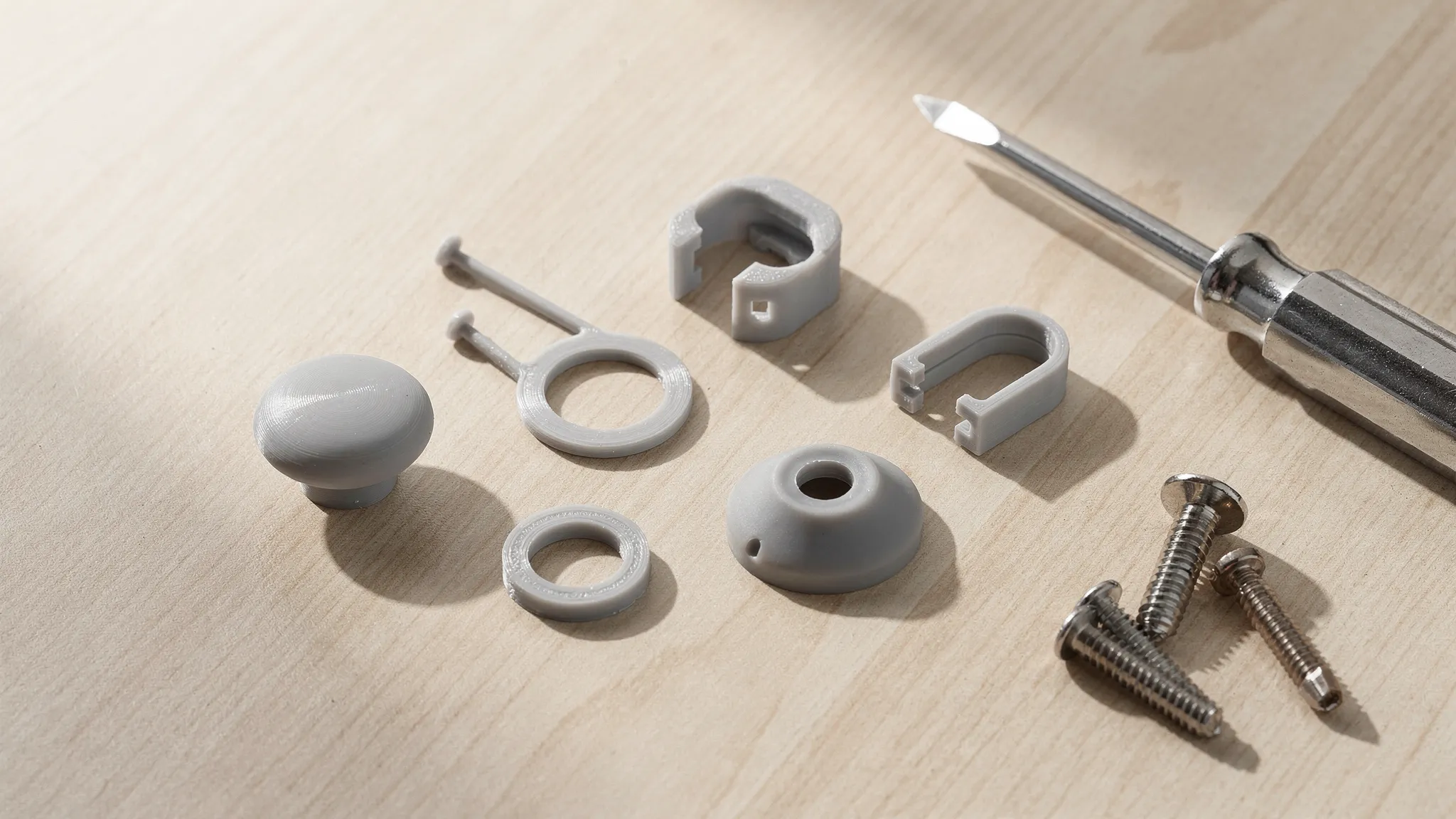
- Add heat-set inserts for machine screws.
- Use washers to spread load.
- Design pockets for nuts so assembly is repeatable.
Prototype fast, then print the “final”
If the part must fit precisely, print a quick draft at thicker layers to test fit, then print the final at finer layers for better finish.
When it makes sense to use a 3D printing service
Everyday fixes are often small, but they still benefit from consistent quality, especially when:
- You need high-detail fit (tight clearances, clean threads, or cosmetic surfaces)
- You want material options without buying spools you’ll never finish
- You need repeatability (multiple copies for a set of cabinets, chairs, or bins)
- You’re working from a broken part and want help validating printability
Firecloud Printz focuses on high-detail, custom 3D printing and also offers a curated shop of designer-authorized prints. If you already have a model file, you can request a quick estimate, and if you’re still in the “idea and measurements” phase, you can still get guidance on what’s practical to print.
Frequently Asked Questions
What are the best beginner-friendly 3D ideas for home fixes? Knobs, spacers, drawer bumpers, bin clips, cable holders, and remote docks are great starters because they’re small, low-risk, and easy to iterate.
Is PLA strong enough for functional household parts? Sometimes. PLA works for light-duty indoor items, but it can soften with heat and can be brittle. For many everyday fixes, PETG is a safer general-purpose choice.
What material should I use for flexible parts like feet and bumpers? TPU is the go-to for flexible, grippy parts like anti-slip feet, bumpers, and strain reliefs.
How do I make sure a replacement part fits correctly? Measure with calipers, prototype a quick test fit, and design in realistic clearances. Fit issues are usually tolerance-related, not printer-related.
Can I 3D print appliance parts? Some external, non-heat, non-electrical accessories can be fine (like cable guides, non-critical knobs, or leveling spacers). Avoid internal parts exposed to heat, water pressure, or electrical risk unless you have expert guidance.
Should I 3D print something that carries weight? Be cautious. Some brackets and hooks are fine when properly designed and fastened, but for safety-critical loads you should use rated hardware and treat prints as accessories, spacers, or prototypes.
Bring your fix-it idea to life with Firecloud Printz
If you have a small household problem you want to solve, Firecloud Printz can help you turn a sketch or 3D file into a clean, functional part with high detail and reliable results. Explore the shop for ready-made prints, or request a custom 3D print when you need a part made to your exact measurements.
Visit Firecloud Printz to get started.
