
3D Printing Guide 2026: Services, Costs, and What to Expect
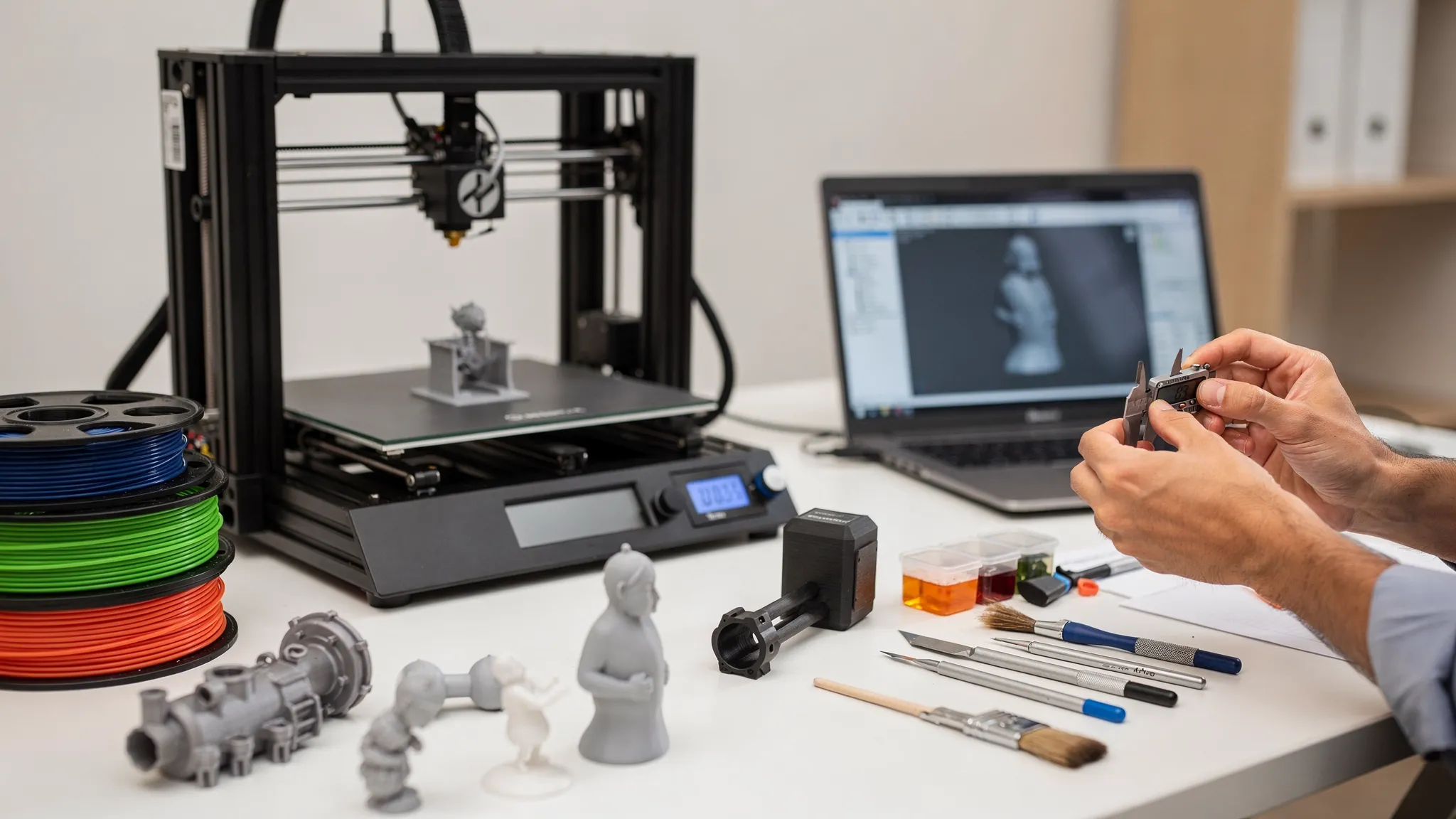
3D printing has moved from a novelty to a practical way to make prototypes, replacement parts, collectibles, gifts, tools, and short-run products. In 2026, the biggest change is not that printers suddenly do everything perfectly. It is that more people can access professional-quality results without owning, calibrating, and troubleshooting a machine themselves.
If you are comparing 3D printing services, trying to estimate a budget, or wondering what happens after you upload a model, this guide will walk you through the essentials: service types, cost factors, materials, timelines, file preparation, and realistic expectations.
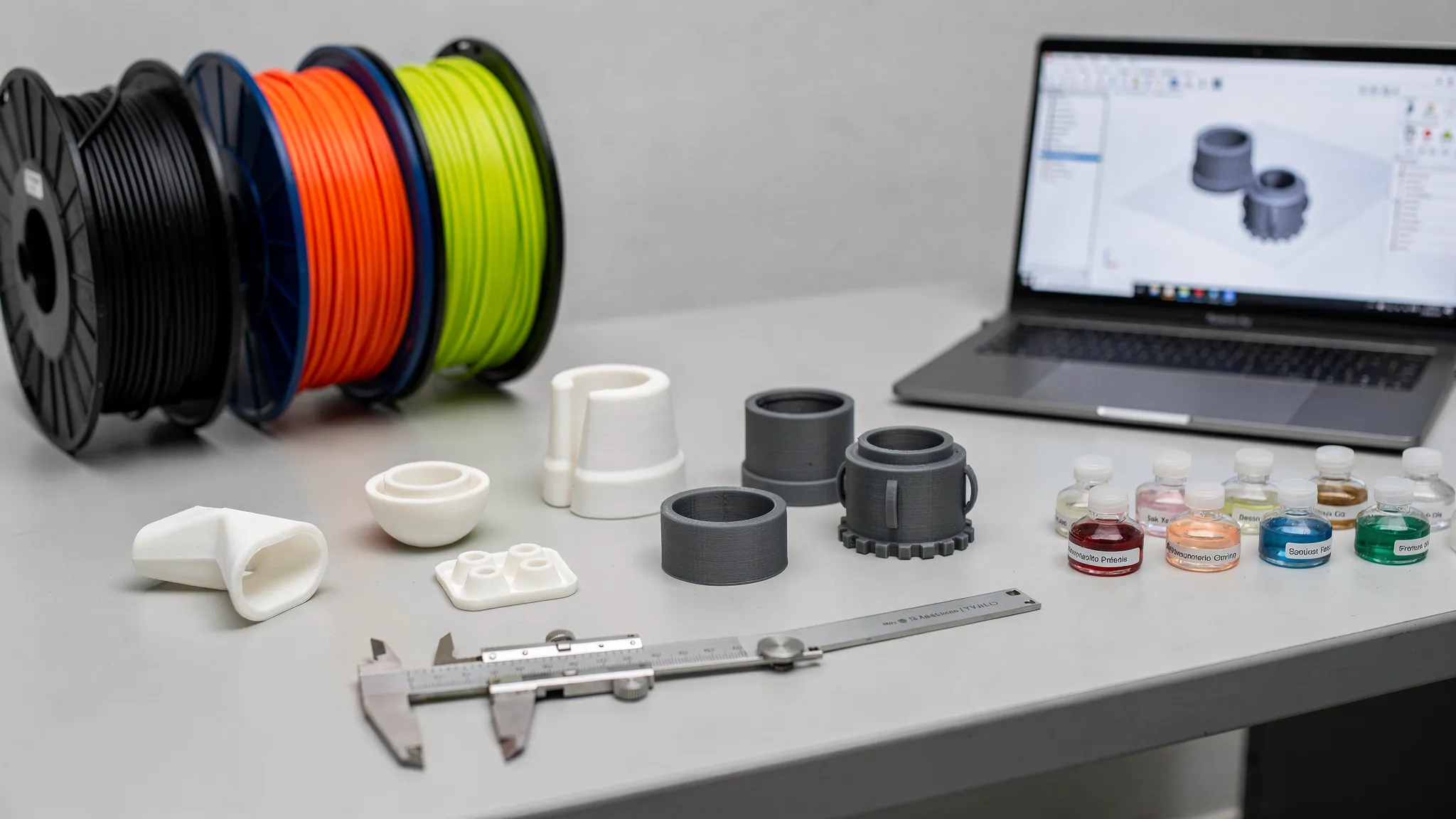
What 3D printing services include in 2026
A 3D printing service turns a digital file into a physical object. That sounds simple, but the best services do more than press print. They help you choose the right process, catch printability problems, recommend materials, and produce a part that matches your goal as closely as possible.
For individuals, that might mean a custom desk accessory, cosplay prop, board game insert, repair part, or personalized gift. For businesses, it might mean a prototype, product sample, jig, fixture, low-volume component, or sales model.
Most 3D printing services fall into a few categories:
| Service type | Best for | What to expect |
|---|---|---|
| Ready-made printed products | Gifts, decor, collectibles, hobby items | Fastest path if the design already exists and is approved for sale |
| Custom printing from your file | Prototypes, replacement parts, personalized items | You provide a model, then the service reviews, quotes, prints, and finishes it |
| Design help or file repair | Ideas that are not print-ready yet | The provider may flag issues or suggest changes, but full CAD design may be a separate service |
| Small-batch production | Repeat parts, event items, product testing | Better consistency than one-off printing, with more attention to setup and quality checks |
| Post-processing and finishing | Presentation pieces, smooth display models, painted props | Adds time and cost, but can dramatically improve appearance |
Firecloud Printz focuses on high-quality custom 3D printing, ready-made designer-authorized prints, quick order estimates, multiple material options, and efficient turnaround. If you already have a model, you can request an estimate. If you do not want to start from scratch, the shop route can be easier because the product has already been prepared for printing.
How much does 3D printing cost?
There is no single price for 3D printing because the cost depends on the part, material, machine time, finishing, and risk of failure. A tiny simple bracket and a highly detailed display model may use the same technology but require very different levels of setup and post-processing.
As a general U.S. market ballpark for non-certified consumer and prototype work, small custom prints often land in the tens of dollars, while larger, highly detailed, multi-part, or finished projects can reach hundreds of dollars or more. Production-grade, regulated, engineering, or rush projects may cost significantly more.
These ranges are not Firecloud Printz pricing. They are general planning ranges to help you understand what drives an estimate.
| Project example | Common ballpark | Why it varies |
|---|---|---|
| Small simple FDM part | $10 to $40 | Size, wall thickness, material, and minimum order handling |
| Medium functional prototype | $40 to $150 | Print time, infill, strength requirements, and tolerances |
| Detailed resin miniature or small display item | $15 to $75 | Detail level, supports, cleaning, curing, and fragility |
| Larger decorative or cosplay part | $75 to $300+ | Part splitting, support removal, sanding, assembly, and shipping size |
| Presentation model with finishing | $150 to $500+ | Surface prep, priming, painting, assembly, and quality expectations |
| Small production batch | Varies by setup and quantity | Per-part cost may improve, but inspection and consistency matter more |
The fastest way to get a real number is to request an estimate with the file, dimensions, material preference, quantity, finish expectation, and deadline. A good quote is not just a price. It should reflect how the provider plans to make the part successfully.
The main factors that affect 3D printing costs
Most customers assume material is the biggest cost. Sometimes it is, but labor and machine time often matter just as much. A print that uses little material can still be expensive if it needs careful supports, cleanup, or finishing.
| Cost driver | Why it matters | How to control it |
|---|---|---|
| Part size | Larger parts take more material and machine time | Scale only as large as needed and split oversized models thoughtfully |
| Print time | Long jobs occupy equipment and increase failure risk | Use practical layer heights and avoid unnecessary solid infill |
| Material | Specialty materials can cost more and be harder to print | Choose material based on actual use, not just perceived strength |
| Detail level | Fine detail may require resin or slower settings | Decide where detail matters and where it does not |
| Supports | Supports add material, labor, and cleanup marks | Design with self-supporting angles when possible |
| Infill and walls | Stronger parts need more plastic and time | Increase walls before overusing high infill percentages |
| Post-processing | Sanding, painting, curing, and assembly add hands-on time | Be clear about whether you need functional or display quality |
| Quantity | Setup time can be spread across a batch | Order batches when you need multiples, but prototype first |
| Deadline | Rush work may disrupt the production queue | Plan ahead when possible |
If you want to lower cost without sacrificing success, simplify the geometry, reduce unnecessary size, avoid excessive supports, and define what finish is truly needed. A hidden internal bracket does not need the same surface quality as a gift or product demo.
Materials and print methods you are likely to encounter
The right 3D printing material depends on how the part will be used. A display figure, a clip inside a warm car, and a flexible cable grommet all need different properties. In 2026, most consumer and small-business custom projects still revolve around filament and resin printing, with powder-based processes available through some providers for more advanced needs.
| Process or material family | Good for | Strengths | Watch-outs |
|---|---|---|---|
| PLA filament | Decor, prototypes, organizers, low-stress parts | Affordable, crisp, widely available, easy to print | Can soften in heat and is not ideal for high-load parts |
| PETG filament | Functional parts, brackets, outdoor-adjacent uses | Tougher than PLA, better heat resistance, good durability | Can string during printing and may have a glossier finish |
| ABS or ASA filament | Enclosures, automotive-adjacent parts, outdoor parts | Better heat resistance, ASA has strong UV resistance | More demanding to print and may need ventilation controls |
| TPU filament | Flexible feet, bumpers, grips, soft components | Flexible and impact absorbing | Slower to print and not suited for every geometry |
| Resin printing | Miniatures, fine detail, jewelry-like models, smooth prototypes | Excellent detail and surface finish | Can be brittle depending on resin and requires washing and curing |
| Nylon or powder-based printing | Durable parts, complex shapes, production-style components | Strong, no support scarring in many powder processes | Usually higher cost and may have a grainy surface |
If you are unsure, describe the environment: indoor or outdoor, hot or cool, dry or wet, decorative or load-bearing. A service provider can usually recommend a material more accurately from use case than from a material name alone.
For a deeper primer on file readiness, Firecloud Printz also has a guide on choosing a 3D model for printer success.
What happens when you order a custom 3D print?
The ordering process is usually straightforward, but the best results come from giving the printer enough context. A 3D model shows shape. It does not always explain function, finish, fit, or risk tolerance.
A typical custom 3D printing workflow looks like this:
- You share the model and requirements: The provider needs the file, intended dimensions, quantity, material preference, finish goal, and deadline.
- The file is reviewed: The printer checks for printability issues such as thin walls, non-manifold geometry, unsupported details, or scale problems.
- You receive an estimate: The estimate is based on material, machine time, labor, finishing, and any special handling.
- The print is prepared: The model is oriented, supports are planned, and print settings are selected.
- The part is printed: The machine builds the object layer by layer.
- Post-processing is completed: This may include support removal, curing, sanding, assembly, or other finishing steps.
- Quality is checked: The provider verifies the part against the agreed expectations.
- The order is delivered or shipped: Packaging matters, especially for fragile, detailed, or multi-part prints.
If you want the plain-English version of the workflow, see Firecloud Printz’s guide to the 3D printing process step by step.
What to expect from print quality
3D printing can produce impressive results, but it is not magic. Every process has trade-offs. Knowing those trade-offs upfront prevents disappointment and helps you choose the right finish level.
FDM filament prints often show visible layer lines, especially on curved surfaces. They can be strong and practical, but the surface may look more manufactured than molded. Resin prints can capture fine details and smooth surfaces, but some resins are more brittle and may not be ideal for functional stress. Powder-based prints can handle complex geometry well, but the surface may feel slightly textured.
Support marks are another normal part of the process. Many 3D prints need temporary support structures to hold up overhangs during printing. Removing those supports can leave small marks. Good orientation reduces visible marks, but it may not eliminate them entirely.
Dimensional accuracy is also important. A printed part can be very close to the model, but it may not match machined tolerances unless the process is designed and priced for that level of precision. If your part must fit another object, provide the mating dimensions and explain which surfaces matter most.
Timelines: how long does 3D printing take?
A small item may print in a few hours, but the full order timeline includes file review, queue time, printing, cooling or curing, support removal, finishing, inspection, and shipping. That is why a print that takes six machine hours may not be delivered the same day.
For many consumer and prototype projects, a reasonable expectation is several business days after the quote and file are approved. Complex parts, large prints, multi-color or multi-part work, batches, and finished presentation pieces can take longer. Rush jobs may be possible depending on provider capacity, but they often cost more.
Firecloud Printz emphasizes quick order estimates and efficient turnaround, but the exact timeline depends on model complexity, material availability, finishing needs, and current production queue.
Custom print, ready-made product, or DIY printer?
Owning a 3D printer can be fun and useful, but it is not always the best path. A professional service makes sense when you want a cleaner result, need a material you do not print at home, want to avoid troubleshooting, or only need occasional parts.
| Option | Best when | Trade-off |
|---|---|---|
| Ready-made shop item | You like an existing design and want an easy purchase | Less customization, but faster and lower risk |
| Custom 3D printing service | You need a specific object, prototype, or personalized part | Requires a model or design guidance and a quote |
| DIY 3D printer | You enjoy learning, iterating, and printing often | Requires maintenance, calibration, materials, space, and time |
| Hybrid approach | You prototype at home and outsource final parts | Requires planning, but can balance speed and quality |
Firecloud Printz supports both ready-made designer products and fully custom orders. As an authorized Hive seller, it can also be a strong option when you want designer-authorized prints rather than unverified copies.
How to prepare your file so the quote is accurate
A print provider can do a better job when you explain the goal behind the model. If you only upload a file with no context, the provider has to guess which surfaces matter, whether strength matters, and how the part will be used.
Before requesting a quote, gather these details:
- File format, usually STL, 3MF, OBJ, or a CAD export if available
- Final dimensions, especially if the file may not be scaled correctly
- Quantity needed now and potential future quantity
- Intended use, such as display, prototype, fixture, replacement part, or gift
- Preferred material or required properties, such as flexible, heat-resistant, outdoor-capable, or detailed
- Desired finish, such as standard, sanded, primed, painted, or presentation-ready
- Important fit points, mating parts, holes, slots, or hardware requirements
- Deadline and delivery needs
- Any licensing or designer authorization requirements
If the model was downloaded online, check the license before using it commercially or asking a service to print it for resale. If the model is your own design, keep revision names clear so everyone is working from the correct file.
Privacy, IP, and file handling considerations
A 3D model can contain valuable intellectual property. For hobby projects, file handling may be simple. For businesses, product teams, inventors, and regulated industries, it deserves more attention.
Ask how your files will be used, stored, and deleted if the project is sensitive. Clarify whether the provider may photograph the finished print, keep the file for reorders, or use the project as a portfolio example. If you are sharing proprietary prototypes, consider using an NDA or written project terms.
Also consider data protection if your project includes customer information, medical context, security hardware, or regulated documentation. For organizations building internal policies around vendor risk, privacy, and data governance, working with experienced data protection and governance consultants can help clarify responsibilities before sensitive files are shared.
For designer files, authorization matters. Buying from a legitimate shop or authorized seller supports the creator and reduces the risk of receiving an unauthorized copy.
How to reduce cost without hurting the final result
The cheapest 3D print is not always the best value. A low-cost print that fails, breaks, or needs to be reordered can cost more in the long run. The goal is to remove waste, not remove necessary quality.
Start by deciding what the part must do. If it is decorative, prioritize surface detail and finish. If it is functional, prioritize strength, fit, and material properties. If it is a prototype, decide whether you are testing shape, fit, or performance.
You can often reduce cost by hollowing thick display models, splitting large parts for easier printing, adding chamfers instead of steep overhangs, reducing unnecessary fine detail, and avoiding ultra-high infill unless it is truly needed. For strength, thicker walls and better orientation are often more effective than simply making the entire part nearly solid.
If you plan to order a batch, print one or two samples first. A small prototype can reveal fit issues before you pay for a full run.
2026 trends customers should know about
The 3D printing market in 2026 is more mature than it was a few years ago. That maturity shows up in practical improvements rather than hype.
AI-assisted design tools are making it easier for beginners to create printable concepts, but they do not replace printability review. A model can look good on screen and still have walls that are too thin, unsupported islands, or impossible tolerances.
Sustainable production is also getting more attention. Additive manufacturing can reduce waste compared with cutting parts out of larger blocks, especially for certain geometries and small batches. Still, failed prints, support material, energy use, and shipping all matter. The most sustainable print is usually the one that is designed correctly, made in the right material, and not reprinted unnecessarily.
Local and small-batch manufacturing continues to grow. Instead of committing to large inventory, businesses can test products, make replacement parts, or produce limited runs closer to demand. This is especially useful for niche products, personalized items, and design validation.
Finally, customers are becoming more aware of licensing. Designer-authorized shops and legitimate sellers are more important as printable models become easier to copy. When you buy an authorized print, you are not just buying plastic or resin. You are supporting the creative work behind the model.
Questions to ask before choosing a 3D printing service
Not every project needs the same provider. A hobby miniature, a prototype enclosure, and a short-run product batch require different strengths. When comparing services, look beyond the lowest price.
Helpful questions include:
- Does the service review files for printability before printing?
- Can they explain which material fits your use case?
- Do they offer ready-made products as well as custom orders?
- Are designer products properly authorized?
- Can they provide a quick estimate before you commit?
- Do they communicate expected finish, support marks, and tolerances clearly?
- Are payment and checkout handled securely?
- Is customer support available if you need help clarifying the project?
Firecloud Printz is built around custom 3D printing, high-detail prints, ready-made designer products, secure payments, multiple material options, and customer support. If you want a broader comparison checklist, read this guide on how to pick the right 3D print store for custom orders.
Frequently Asked Questions
Is 3D printing expensive in 2026? It depends on size, material, detail, finishing, and quantity. Simple small parts can be affordable, while large, detailed, finished, or engineering-focused prints cost more. Always request a project-specific estimate.
What file type do I need for a 3D printing service? STL and 3MF are common for printing, while OBJ may be used for models with visual detail. If you have the original CAD file, it can also help with revisions or dimensional checks.
How long does a custom 3D print take? Many small custom projects take several business days after approval, but the timeline depends on queue, print time, material, finishing, inspection, and shipping. Complex or batch orders can take longer.
Can a 3D printed part be as strong as an injection-molded part? Sometimes it can be strong enough for the job, but it is not automatically equivalent. Strength depends on material, print orientation, wall thickness, design, and process. Safety-critical parts need special engineering review.
Do I need my own 3D model to order a print? For a fully custom print, usually yes, or at least a design that can be turned into a printable model. If you do not have a file, a ready-made shop item may be the easier option.
Will my print look exactly like the digital model? It should match the design intent, but physical prints have process limitations such as layer lines, support marks, material texture, and slight dimensional variation. A good provider will explain these before production.
What is the best material for beginners ordering a print? PLA is often a good choice for decorative or low-stress parts. PETG is a common upgrade for tougher functional parts. Resin is better for fine detail. The best choice depends on use, not just popularity.
Bring your 3D printing idea to life
Whether you need a prototype, a replacement part, a personalized gift, or a designer-authorized print, the best results start with a clear goal and the right printing partner.
Visit Firecloud Printz to explore ready-made products, request a quick estimate for a custom 3D print, or get support choosing the right material and finish for your project.
