
Print Ideas That Actually Work: Practical Projects to Try
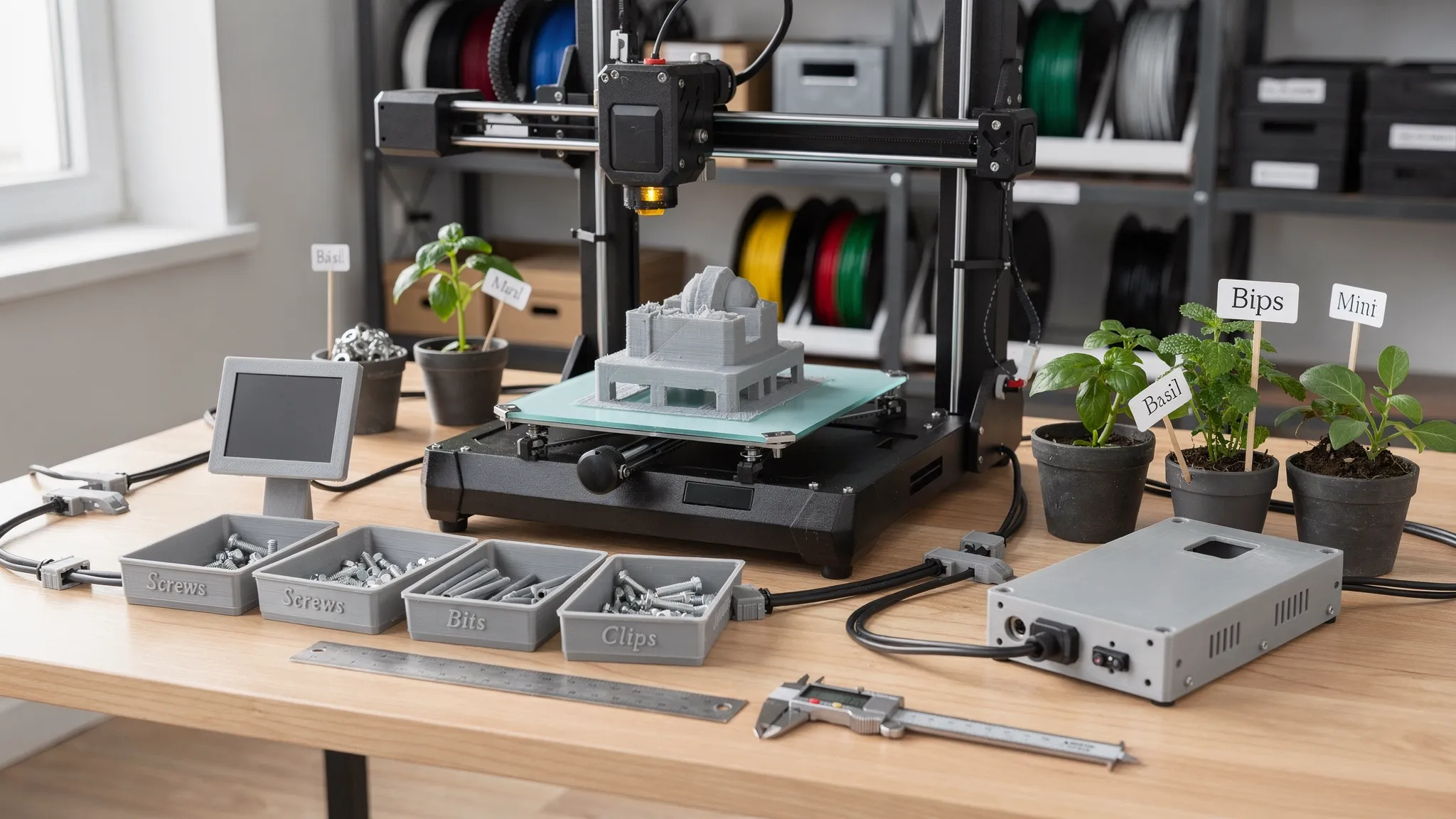
The best 3D print ideas are not always the flashiest. They are the projects that solve a real problem, fit the limits of the printing process, and look good enough to use, gift, test, or sell.
That is why a useful print idea starts with a clear purpose. Are you trying to organize a messy drawer, test a product concept, replace a missing non-critical part, create a branded display, or make a custom gift that feels personal? Once the job is clear, material choice, size, finish, and cost become much easier to decide.
Below are practical print ideas that actually work, plus tips for choosing projects that are realistic, durable, and worth the effort.
What Makes a Print Idea Actually Work?
A good 3D print project has three things going for it: it is useful, printable, and appropriate for the material. Many failed projects start with an exciting model that was never designed for real-world use. Thin walls, unsupported details, sharp stress points, and unknown dimensions can turn a clever idea into a frustrating reprint.
Before choosing a project, ask a few practical questions:
- What does this object need to do?
- Will it be decorative, handled often, or under load?
- Does it need to fit another object precisely?
- Will it sit indoors, outdoors, in heat, or near moisture?
- Is the model licensed for how you plan to use it?
If the answer is mostly visual, you have more freedom. If the object needs to fit, flex, hold weight, or survive heat, the design and material matter more.
A strong first project usually has simple geometry, a clear size, and limited post-processing. That does not mean boring. It means the design gives the printer a fair chance to produce a clean result.
A Practical Project Matrix for Better Print Ideas
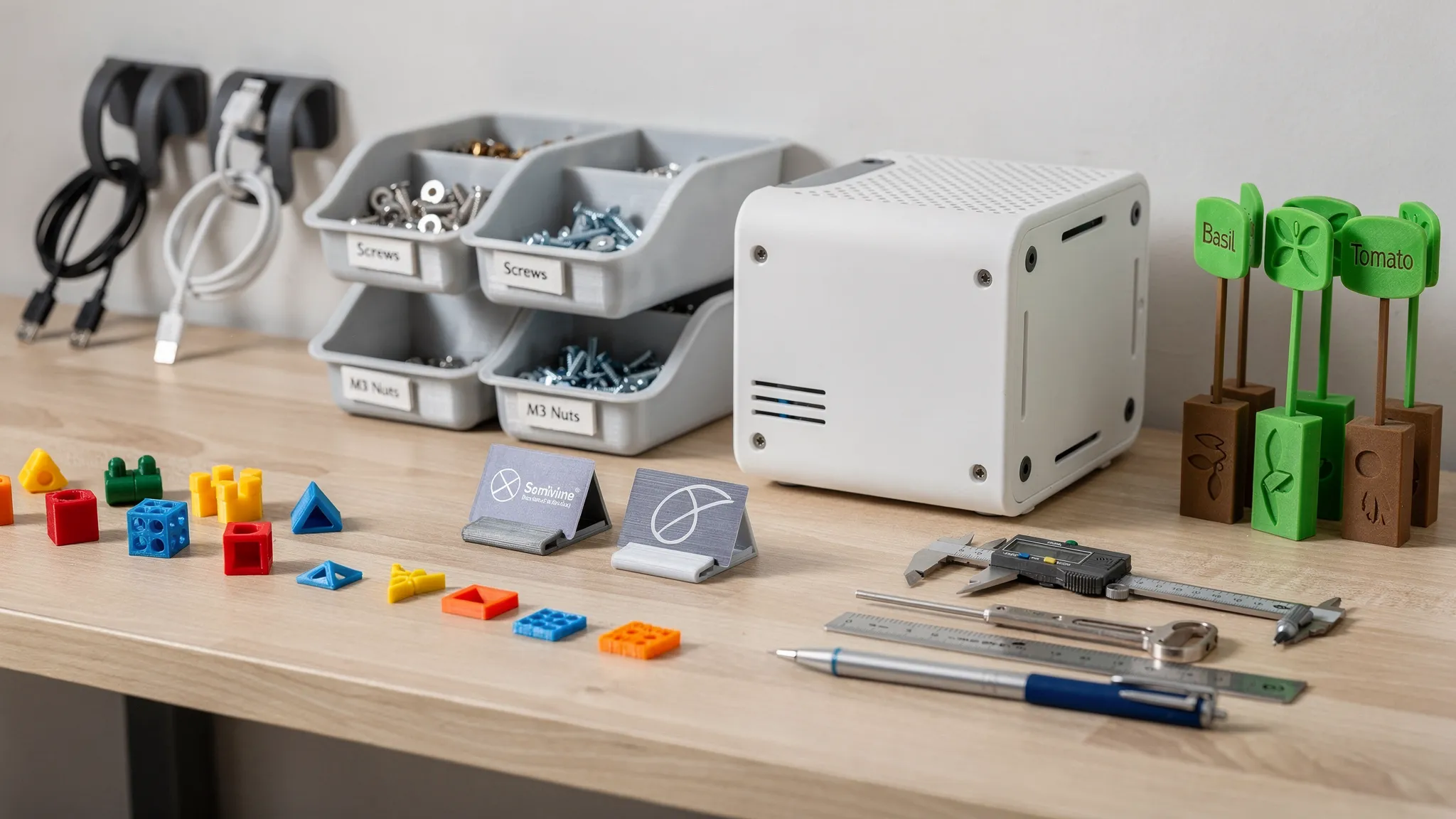
Use this table to match the type of project to the result you want. These are not just fun ideas, they are categories that tend to perform well when designed correctly.
| Project type | Why it works | Good first version | Watch out for |
|---|---|---|---|
| Fit-check prototype | Tests size before spending more on a final version | A simple shell, bracket, or enclosure mockup | Forgetting tolerances and wall thickness |
| Drawer or bin insert | Solves a specific organization problem | A tray with labeled sections | Printing a large tray before confirming measurements |
| Cable guide or clip | Small, useful, and easy to customize | Desk cable clip, under-shelf wire guide | Making snap features too thin or brittle |
| Jig or template | Helps repeat a task consistently | Drill guide, spacing template, marking guide | Using weak geometry where force is applied |
| Display stand | Great for shops, collectors, events, and photos | Card stand, product riser, figurine base | Choosing an unstable base or poor viewing angle |
| Label, tag, or marker | Low-risk, practical, and easy to personalize | Plant marker, storage label, equipment tag | Tiny text that may not print cleanly |
| Prototype enclosure | Useful for electronics and product testing | Two-piece box with screw bosses | Ignoring heat, ventilation, and wire routing |
| Event or game accessory | Custom, memorable, and repeatable | Tokens, badges, terrain pieces, trophies | Printing highly detailed pieces too small |
| Decorative utility item | Looks good while doing a job | Key holder, wall hook, small tray | Using decorative shapes that weaken the part |
| Replacement cover or cap | Restores an item without needing mass production | Non-load-bearing cap, knob cover, dust plug | Printing safety-critical or high-stress parts |
The key is to start with a project where failure is informative, not expensive. If a small test piece shows that a clip is too tight or a stand tips forward, you can adjust the model before committing to the final print.
Starter Print Ideas That Give You Reliable Wins
1. Tolerance gauges and fit testers
If you want to print parts that fit together, start with a tolerance test. This can be as simple as a small plate with holes, pegs, slots, snap fits, or dovetail shapes. It tells you how tight or loose a design will feel after printing.
This is especially useful before printing hinges, lids, inserts, electronics enclosures, tabletop accessories, or any project with moving parts. A tolerance tester may not look exciting, but it can save time and material by preventing a full-size part from coming out unusable.
2. Custom labels and equipment tags
Labels are one of the most underrated print ideas because they are easy to personalize and genuinely useful. Think storage bin labels, tool tags, garden markers, luggage tags, pet gear tags, classroom labels, or inventory markers.
Raised text is usually more reliable than deeply engraved tiny text, especially on smaller prints. For higher contrast, you can design recessed areas for paint fill or print the label in a color that stands out from the surface it will be mounted on.
3. Small storage systems
Instead of printing one large organizer, start with a modular system. Small trays, dividers, stackable cups, part bins, and drawer inserts are easier to iterate. They also let you solve one problem at a time.
A good approach is to measure the items first, then add a little clearance so they are easy to remove. For example, a tray for batteries, craft supplies, screws, game pieces, or camera accessories should prioritize access over perfect tightness.
4. Cable routing and desk cleanup pieces
Cable clips, cord anchors, headset rests, charger docks, and under-desk routing guides are small enough to print efficiently and useful enough to keep around. They also make good beginner projects because minor design changes can create a custom fit for your specific setup.
For clips that flex, material and geometry matter. A rigid material may work for a simple guide, while a flexible design or flexible material may be better when the part needs repeated bending.
Functional Print Ideas for Makers, Shops, and Small Businesses
Product prototypes
If you are developing a product, 3D printing is often most valuable before the final version exists. A printed prototype lets you check scale, grip, ergonomics, assembly, packaging fit, and visual presence.
The first prototype does not need to be beautiful. It needs to answer a question. Does the handle feel right? Does the lid align? Is the button reachable? Does the object look too bulky on a shelf? Answering these questions early can prevent costly revisions later.
For more detail on planning custom orders, Firecloud Printz has a guide on what you need before you 3D print from file.
Jigs, fixtures, and repeatable templates
Jigs and fixtures are some of the most practical print ideas for workshops and small production teams. A jig can position a drill, hold a part while glue cures, guide a cut line, mark a repeatable spacing, or protect a delicate component during assembly.
These projects work because they do not need to be universal. They only need to work for your task. That is where custom 3D printing shines, since a part can be shaped around your workflow instead of forcing you to adapt to off-the-shelf tools.
For jigs that see pressure, avoid thin arms and sharp inside corners. Use fillets, ribs, and thicker walls where the part will be stressed.
Branded displays and retail accessories
Small businesses can use 3D printing for product risers, card holders, signage bases, QR code stands, shelf dividers, sample holders, and trade show accessories. These prints are practical because they can be made for a specific product size, color palette, or booth layout.
If you are building a business around custom products, physical presentation is only half the equation. A clean website, local visibility, and eCommerce setup help turn attention into orders, and agencies such as Sleek Web Designs can support the digital side while your print partner handles the physical pieces.
Packaging and shipping helpers
Not every printed part has to be customer-facing. Some of the best shop tools are hidden in the packing area: corner protectors, spacing blocks, stamp guides, measuring gauges, bag holders, small label dispensers, and inventory separators.
These projects are practical because they reduce friction in repeated tasks. If you package the same type of product every week, a small custom helper can save time over and over again.
Creative Print Ideas That Still Have a Purpose
Personalized gifts with a function
A personalized gift is stronger when it does something useful. Instead of printing a nameplate alone, consider a nameplate that also works as a key holder, bookmark, desk stand, ornament, bottle tag, game piece holder, or display base.
Custom names, dates, team logos, hobby references, and color choices can make the print feel personal without requiring an overly complicated model. The best gifts often combine a simple base form with one meaningful custom detail.
Tabletop and hobby accessories
Miniature bases, terrain tiles, dice trays, card holders, token organizers, painting handles, and display stands are popular because they combine detail with practical use. Resin may be preferred for fine visual detail, while FDM can be effective for larger terrain, trays, organizers, and structural pieces.
Always check model licensing if you plan to sell prints or use designer files commercially. A model that is free to download may still be limited to personal use.
Home decor with replaceable modules
Decor projects work better when they are modular. Instead of a huge wall feature printed in one piece, try small tiles, corner accents, planters, light-duty hooks, display blocks, or interchangeable panels.
Modular pieces are easier to print, easier to replace, and easier to adjust. They also give you more control over color combinations and layout.
Material Choices for Practical Print Ideas
Material selection should follow the job of the part. A decorative shelf item and a workshop jig do not need the same material. A flexible cable clip and a rigid display stand should not be treated the same way either.
| Material or process | Good for | Considerations |
|---|---|---|
| PLA | Decorative prints, prototypes, display stands, labels, low-stress organizers | Easy to print, but not ideal for high heat or demanding mechanical use |
| PETG | Utility parts, clips, organizers, parts that may see light moisture | More durable than PLA in many everyday uses, but settings and finish can vary |
| TPU | Flexible clips, bumpers, grips, protective feet, cable strain relief | Needs the right design and print setup because flexible materials behave differently |
| Resin | Miniatures, high-detail visual pieces, smooth display parts, fine text | Requires proper handling and post-processing, not ideal for every functional load |
| Nylon or powder-based materials | Durable functional parts, complex shapes, small production runs | Often best handled through a professional service depending on the process |
| ABS or ASA | Parts needing better heat resistance than PLA, outdoor-oriented applications | Requires controlled printing conditions and proper ventilation considerations |
If a part will contact food, support body weight, be used in a vehicle, hold a heavy object, be exposed to high heat, or affect safety, treat it as a specialized project. Ask for guidance before printing, and do not assume a 3D printed version is automatically safe just because the shape is correct.
How to Turn a Rough Idea Into a Printable Project
A practical 3D print starts before the file is made. Whether you are designing it yourself, downloading a model, or asking a service to help, a little planning improves the final result.
- Define the job of the object in one sentence.
- Measure the space, object, or hardware it must fit.
- Decide whether appearance, strength, speed, or detail matters most.
- Choose the simplest shape that solves the problem.
- Test risky features such as clips, holes, hinges, threads, and snap fits at small scale.
- Save notes about the version, material, and changes you want next time.
If you are choosing a model from a marketplace, look for real photos, clear dimensions, print settings, license information, and comments from people who have successfully printed it. A beautiful render is not proof that the model prints well.
Firecloud Printz also has a helpful breakdown of what makes 3D printing designs easy to print if you want to reduce supports, improve fit, and avoid common geometry problems.
Print Ideas to Avoid Until You Have More Guidance
Some ideas are tempting but risky. That does not mean they are impossible, only that they need more planning, better materials, or professional review.
Be careful with parts that hold heavy weight, replace safety equipment, sit inside hot appliances, go in direct contact with food, form part of a vehicle or bike, or need extremely tight tolerances. Also be cautious with copyrighted characters, brand logos, and designer models if you plan to sell the finished print.
A better beginner path is to print a non-critical version first. For example, test the shape of a bracket before asking it to support anything important. Print a display version of a prop before making a wearable one. Print a small section of a large decorative piece before committing to the full size.
When a 3D Printing Service Makes More Sense
Printing at home is great for experimentation, but a professional service can be a better fit when you need detail, consistency, material guidance, or a finished result without troubleshooting. It can also make sense when the project is too large, too detailed, or too important for a trial-and-error setup.
Firecloud Printz helps turn digital designs into tangible products through custom 3D printing, multiple material options, high-detail printing, and quick order estimates. You can also browse ready-made designer-authorized products, including authorized Hive seller items, if you want a finished design without starting from scratch.
Using a print service is especially helpful for:
- Custom gifts where finish matters
- Small business displays and branded pieces
- Prototypes that need clean presentation
- Hobby prints with fine details
- Parts where material choice affects success
- Projects where you want feedback before printing
If you are deciding between buying equipment and ordering prints as needed, this 3D printer buying guide can help you compare cost, time, maintenance, and project volume.
Quick Checklist Before You Print
Before you send a file, buy a model, or start a print, run through this simple check:
- The purpose of the print is clear.
- The size and units are confirmed.
- The model is licensed for your intended use.
- Walls, small details, and text are large enough to print.
- The material matches the environment and expected use.
- Critical fits have been tested or given clearance.
- The most visible surface is considered during orientation.
- The finish expectations are realistic for the process.
This checklist is simple, but it catches many of the issues that cause failed prints, delays, and rework.
Frequently Asked Questions
What are the best print ideas for beginners? The best beginner ideas are small, useful, and low-risk. Try labels, drawer inserts, cable clips, simple display stands, plant markers, game tokens, or test-fit pieces. These projects teach measurement, orientation, and material basics without requiring complex engineering.
Can I 3D print replacement parts? Yes, but focus on non-critical parts first, such as caps, covers, knobs, spacers, and cosmetic pieces. Avoid safety-critical, high-heat, or heavy-load replacements unless the part has been properly designed and reviewed for that use.
How do I know if my print idea needs PLA, PETG, resin, or another material? Start with the part's job. PLA is often fine for display and simple prototypes. PETG can be useful for more durable everyday parts. Resin is strong for fine visual detail. Flexible materials are useful for grips and bumpers. For demanding uses, ask your print provider before choosing.
Do I need a 3D model before ordering a custom print? A finished model helps, but you can often start with dimensions, sketches, reference photos, and a clear description of what the part needs to do. The more specific you are about size, use, finish, and fit, the easier it is to estimate the project.
Are downloaded 3D models safe to sell as printed products? Not always. Many downloadable models are for personal use only. If you plan to sell prints, confirm the license, buy commercial rights when required, or work with designer-authorized products.
Bring Your Next Practical Print Idea to Life
A great print idea does not need to be complicated. It needs to solve a real problem, fit the process, and use the right material for the job.
If you have a file ready, a rough sketch, or a project concept you want to explore, Firecloud Printz can help bring it from digital idea to physical print. Start with a custom request for an estimate, or browse the shop for ready-made designer-authorized prints that are already built to be brought to life.
